

Global Goal 10: Reduced Inequalities
by Steven O’Reilly, Chelsea FC Foundation, Bangkok
Description
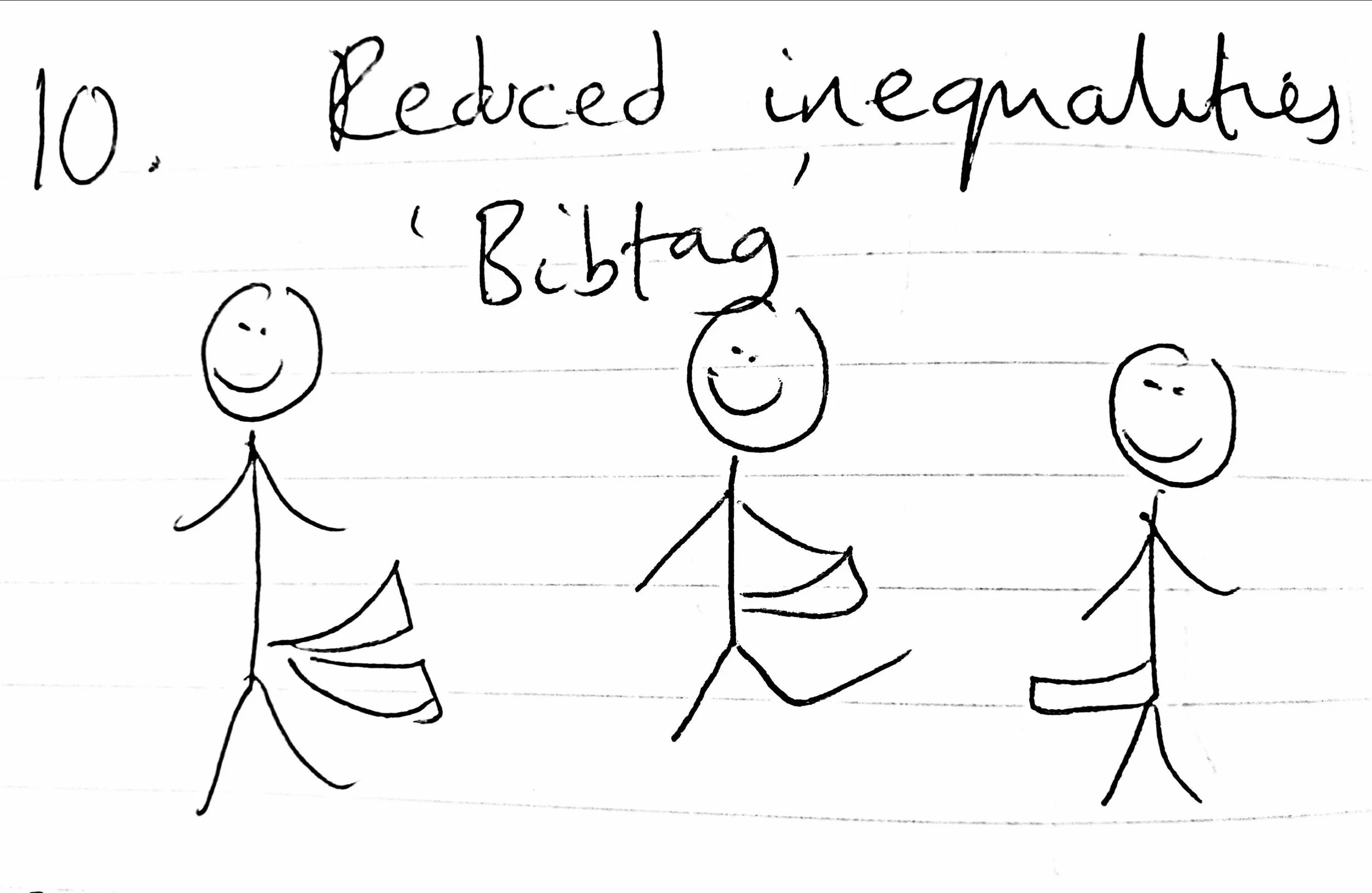
Bib Tag is a fast-paced game that combines running, agility, and a touch of strategy. Players compete to collect bibs from their opponents, highlighting the concept of inequality. Get ready to run, dodge, and steal your way to victory!
How to Play:
Starting positions: Players spread out across the field, each with their bib tucked into their shorts.
Capture the bibs: Players dribble around the field, attempting to steal bibs from other players.
Collect and count: Once a player captures a bib, they add it to their own collection.
Keep playing: Even if a player loses their bib, they continue to play and try to steal others'.
Count and redistribute: After a set time (e.g., 2-3 minutes), the game stops. Players count their bibs.
Equalize the playing field: Players with fewer bibs receive additional bibs to equalize the playing field.
Restart the game: Play continues for another round.
Bib Tag is a great way to teach players about the concepts of equality, perseverance, and adaptability. It's also a fun and active game that can be enjoyed by players of all ages.
More Play
-
Add footballs for players to dribble simultaneously.
Add extra catchers and reduce area size.
-
Players: Any number. But enough bibs for at least one each.
Area: Any size – start big and reduce area size while playing to make it more difficult.
Materials: Bibs and balls.
Create Game Situations
Encourage creativity:
Invite players to suggest unique game scenarios and modifications.
Goal-based challenges: Introduce different goals for each team, such as scoring a certain number of goals or completing specific challenges.
Integrating Global Goals:
Goal-based rewards: Implement a system where teams can earn bonus points by stating a Global Goal and how they plan to promote it in their community.
Water break discussions: Use water breaks as opportunities for players to discuss and share their ideas for promoting the Global Goals.
Small-sided games: Encourage players to form smaller teams for easier communication and engagement.
Additional Tips:
Variety is key: Offer a variety of game formats and challenges to keep players engaged.
Flexibility: Be adaptable and willing to adjust the game based on player feedback and preferences.
Community involvement: Encourage players to involve their communities in the game and the Global Goals initiative.