

Global Goal 14: Life Below Water
by Steven O’Reilly, Chelsea FC Foundation, Bangkok
Description
Ocean Odyssey is an engaging game that simulates the challenges faced by marine life due to plastic pollution. By playing Ocean Odyssey, players can gain a better understanding of the impact of plastic pollution on marine ecosystems and the importance of environmental conservation.
Divide into teams: Divide players into two teams: Turtles and Plastic Bags.
Set the stage: The field represents the ocean.
The Mission: Turtle players must dribble a ball from one end of the ocean to the other.
The Threat: Plastic Bag players must tag the Turtles to turn them into more plastic pollution.
Survive the Pollution: The last Turtle to reach the other side without being tagged wins.
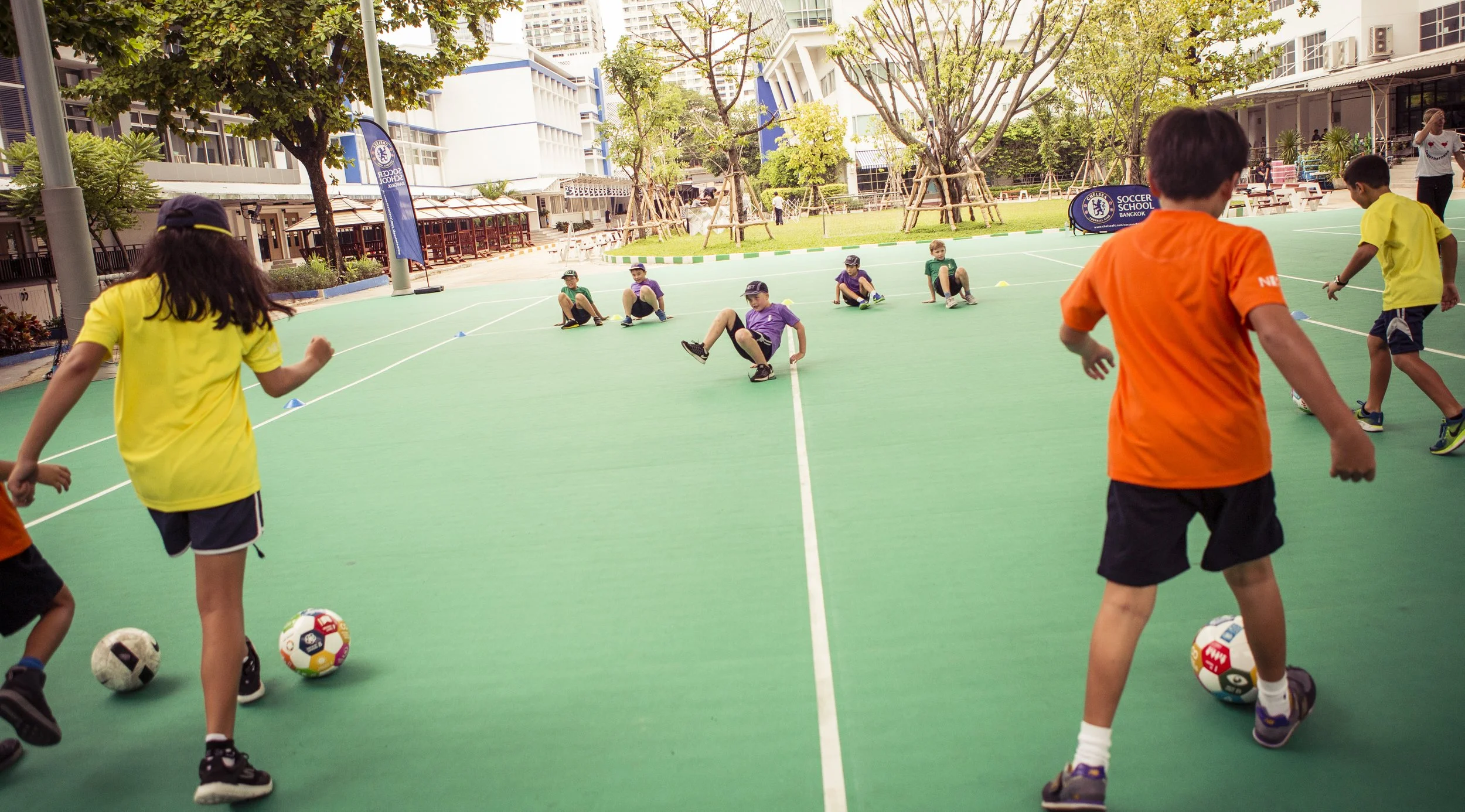
More Play
-
Obstacle Course: Use cones or other markers to create an obstacle course in the ocean. Turtles must navigate through the course without being tagged by the plastic bags.
Teamwork Challenge: Divide the turtles into teams and have them work together to protect each other and reach the other side of the ocean.
Time Trial: Set a time limit for the turtles to reach the other side.
-
Player Numbers: Adjust the number of players based on the size of the playing area and the desired level of difficulty. A good starting point is 6-8 players.
Materials:
Balls (one per turtle)
Cones or markers (for obstacles)
Bibs or colored jerseys to differentiate between turtles and plastic bags.
-
The game can be played for a set amount of time (e.g., 5-10 minutes) or until a certain number of turtles have been tagged.
Create Game Situations
Encourage creativity:
Invite players to suggest unique game scenarios and modifications.
Goal-based challenges: Introduce different goals for each team, such as scoring a certain number of goals or completing specific challenges.
Integrating Global Goals:
Goal-based rewards: Implement a system where teams can earn bonus points by stating a Global Goal and how they plan to promote it in their community.
Water break discussions: Use water breaks as opportunities for players to discuss and share their ideas for promoting the Global Goals.
Small-sided games: Encourage players to form smaller teams for easier communication and engagement.
Additional Tips:
Variety is key: Offer a variety of game formats and challenges to keep players engaged.
Flexibility: Be adaptable and willing to adjust the game based on player feedback and preferences.
Community involvement: Encourage players to involve their communities in the game and the Global Goals initiative.