

Global Goal 12: Responsible Consumption & Production
by Becca Todd, United Kingdom
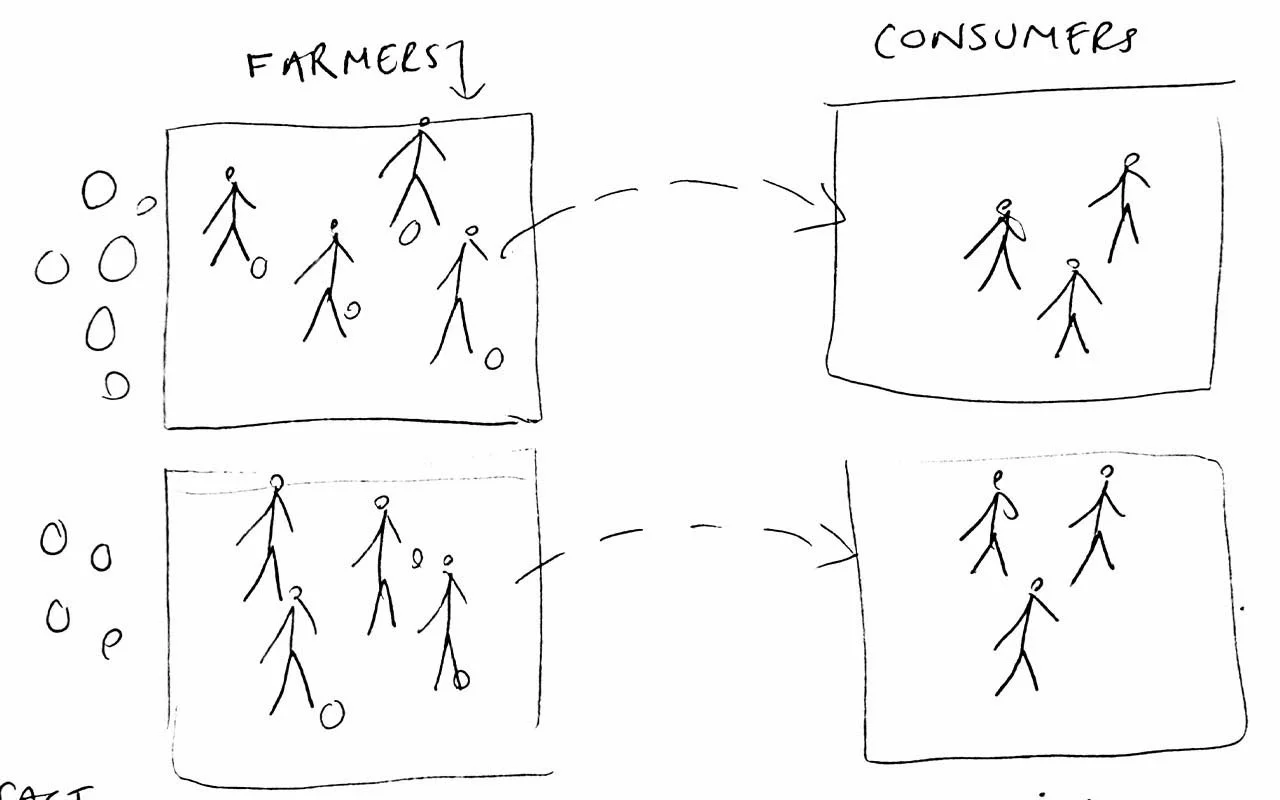
Feeding the World is a dynamic and engaging game that simulates the challenges of global food production and consumption.
How to Play:
Team Formation: Divide players into two teams: farmers and consumers.
Food Production: Farmers perform a specific number of kick-ups to "produce" food (balls).
Food Distribution: Once the farmers have met their production quota, they pass the balls to the consumers.
Protect the Food: Consumers must protect the food (balls) within their designated area.
Avoid Food Waste: If a ball is dropped or knocked out of the area, it's considered wasted.
Determine the Winner: The team with the most remaining food at the end of the game wins.
More Play
-
Obstacle Course: Add obstacles like cones or hurdles to the field to make the food delivery more challenging.
Weather Conditions: Introduce "weather events" like wind or rain that can affect the players' ability to control the ball.
Limited Resources: Reduce the number of balls available, forcing players to strategize and prioritize deliveries.
Time Constraints: Set a time limit for the game, adding pressure to the players.
-
Team size: The number of players per team can be adjusted based on the group size and skill level.
Materials: Balls, bibs, and cones.
-
Food Waste Simulation: Introduce a "waste bin" where players can discard excess or spoiled food.
Sustainable Farming Techniques: Discuss sustainable farming practices and how they can impact food production and environmental conservation.
Economic Factors: Introduce a "market" where players can trade food for resources or points.
-
Team Competition: Divide players into teams and have them compete to deliver the most food.
Individual Challenge: Have players compete individually to see who can deliver the most food in a set amount of time.
Create Game Situations
Encourage creativity:
Invite players to suggest unique game scenarios and modifications.
Goal-based challenges: Introduce different goals for each team, such as scoring a certain number of goals or completing specific challenges.
Integrating Global Goals:
Goal-based rewards: Implement a system where teams can earn bonus points by stating a Global Goal and how they plan to promote it in their community.
Water break discussions: Use water breaks as opportunities for players to discuss and share their ideas for promoting the Global Goals.
Small-sided games: Encourage players to form smaller teams for easier communication and engagement.
Additional Tips:
Variety is key: Offer a variety of game formats and challenges to keep players engaged.
Flexibility: Be adaptable and willing to adjust the game based on player feedback and preferences.
Community involvement: Encourage players to involve their communities in the game and the Global Goals initiative.